
When selecting fabric for performance polo shirts and teamwear, buyers need to focus on several key factors to ensure the final garment meets the functional and aesthetic demands of active use. The choice of fabric affects comfort, durability, fit, and appearance, all of which influence wearer satisfaction and product success.
Key Buyer Considerations
### 1. Understand the Application and Performance Requirements
The first step is clarifying how the polo shirts or teamwear will be used. Considerations include:
– Level and type of physical activity
– Required stretch and recovery for ease of movement
– Moisture management and breathability needs
– Durability against abrasion and repeated washing
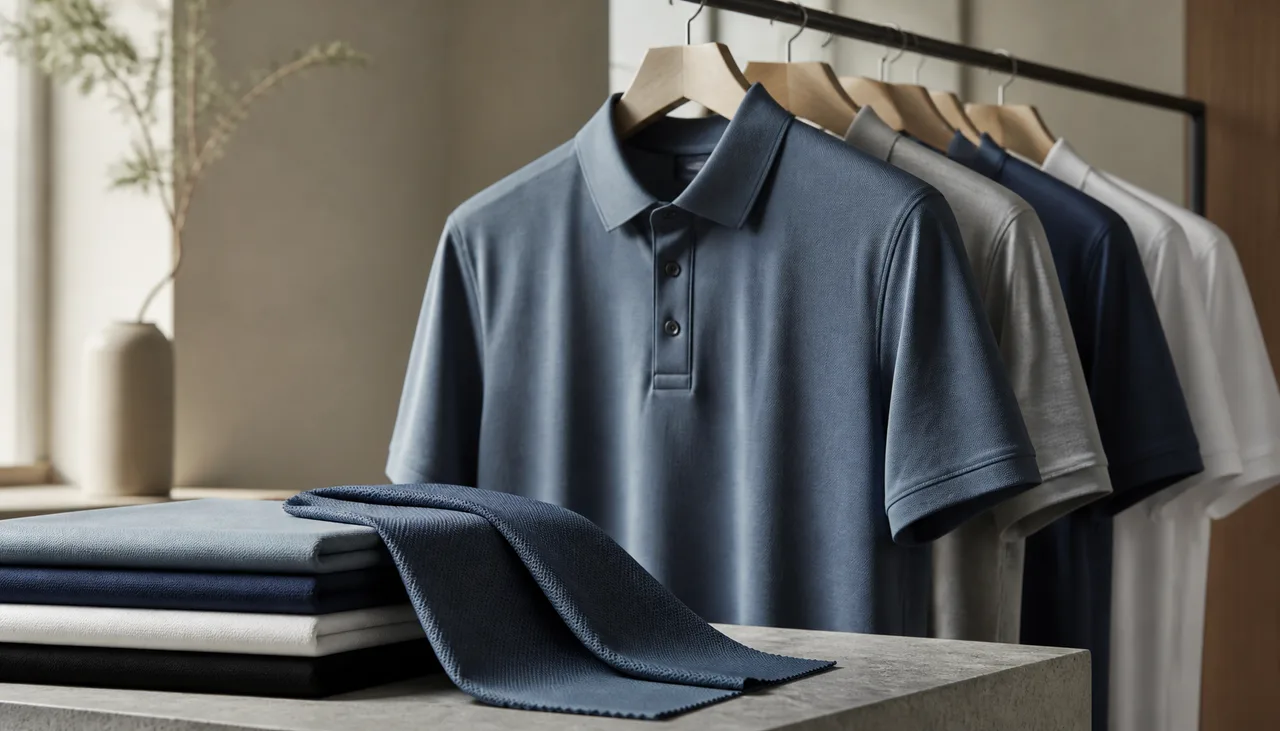
Performance polos and teamwear typically require fabrics that allow flexibility, wick sweat, and maintain shape under stress.
### 2. Evaluate Fabric Type and Composition
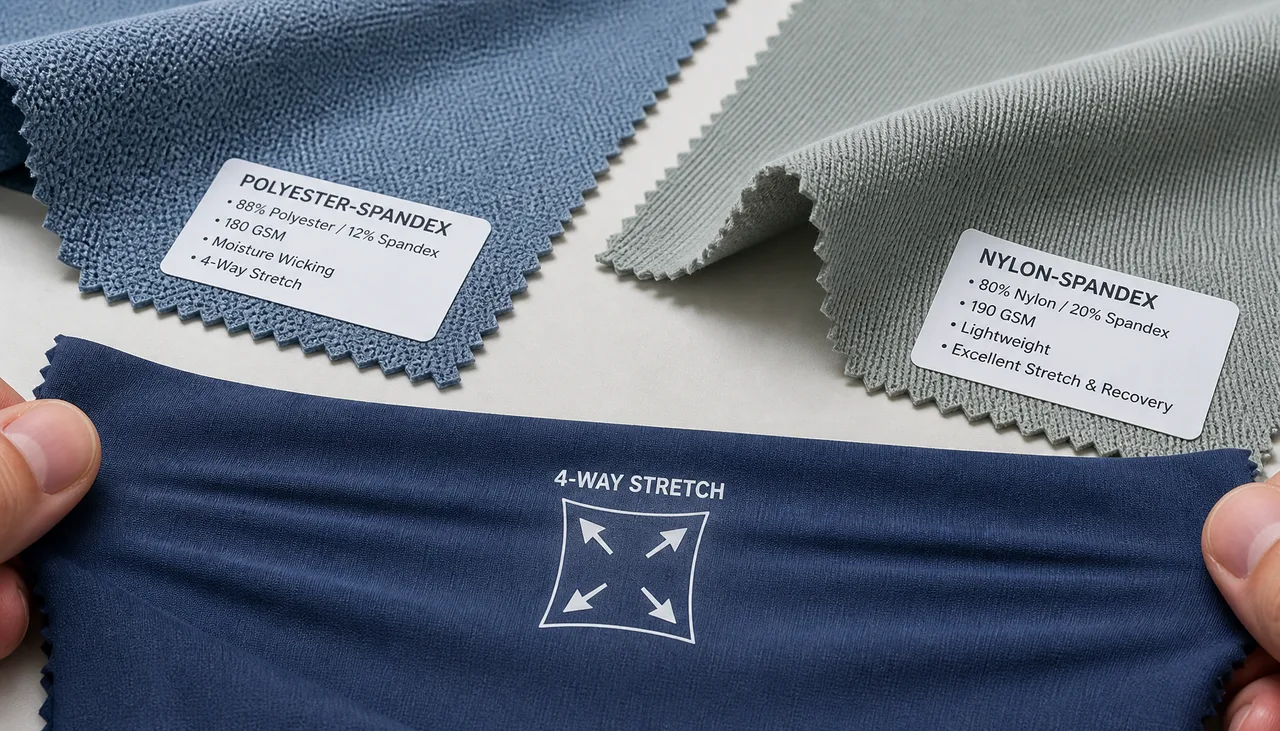
Knitted synthetic fabrics are common choices for performance apparel. Two popular fabric types are:
– Polyester-Spandex blends: Known for moisture-wicking, quick-drying, and good stretch recovery.
– Nylon-Spandex blends: Often smoother and softer with excellent durability and stretch.
The choice between these depends on the desired hand feel, functional properties, and end-use environment.
### 3. Consider Fabric GSM (Grams per Square Meter)
Fabric weight influences comfort, breathability, and durability:
– Lightweight fabrics improve breathability and reduce bulk.
– Medium to heavy weights enhance durability and opacity.
Buyers should select GSM according to the balance between comfort and robustness needed for the intended activity and climate.
### 4. Assess Hand Feel and Stretch
The tactile experience and elasticity of the fabric affect wearer comfort and garment fit. Buyers should:
– Test fabric samples to check softness, smoothness, and stretch behavior.
– Ensure the fabric stretches adequately without bagging or losing shape.
### 5. Verify Functional Finishes and Quality Control
Performance fabrics often undergo finishing treatments to enhance features such as anti-odor, UV protection, or water repellency. Quality control ensures consistent fabric performance throughout production runs.
### 6. Work with Fabric Suppliers Offering Solution-Oriented Services
Rather than simply purchasing an existing fabric, buyers benefit from fabric suppliers who provide a full fabric solution:
– Understand buyer needs in detail (application, function, GSM, fabric type)
– Match or develop fabrics tailored to specific requirements
– Support sampling, testing, and confirmation processes
– Ensure stable supply and after-sales service
This approach reduces risk and optimizes fabric performance for the apparel application.
Conclusion
To choose fabric for performance polo shirts and teamwear effectively, buyers should start with a clear understanding of the apparel’s use and performance needs. Selecting the right synthetic knitted fabric type, appropriate GSM, and ensuring the desired hand feel and stretch are essential. Partnering with a fabric supplier that offers fabric solution services—from needs analysis to stable supply—helps secure fabrics that meet both functional and production requirements, resulting in high-quality, comfortable, and durable performance apparel.