
When apparel brands seek fabric samples from suppliers—especially for stretch knitted synthetic fabrics used in lingerie, sportswear, yoga wear, and related apparel—they should approach the process with a clear understanding of their production needs and fabric requirements. Asking the right questions before requesting samples ensures that the fabric matches the intended application, meets quality standards, and aligns with production volume and sourcing capabilities. Below are key considerations apparel brands should address before requesting fabric samples.
—
1. What Is the Intended Application of the Fabric?
Understanding the specific end use is critical. The fabric choice differs if it is for lingerie, yoga leggings, sports bras, or shapewear, as each application demands different performance attributes such as stretch, durability, moisture management, and hand feel.
- **Ask:** What garment type and function will the fabric serve?
- **Reason:** Fabric characteristics like stretch, GSM (grams per square meter), and fiber composition (e.g., polyester-spandex vs nylon-spandex) vary in suitability for different apparel categories.
—
2. What Fabric Type and Composition Are Preferred?
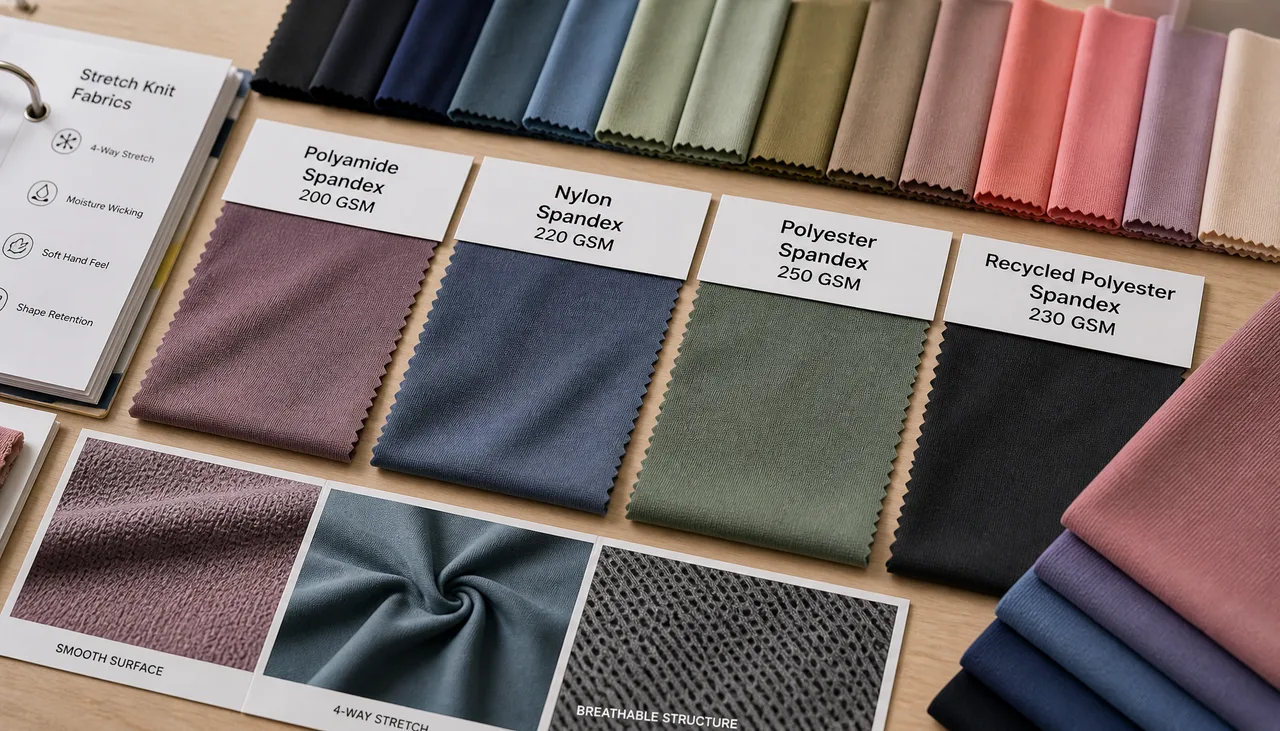
Fabric types influence aesthetics, comfort, and functionality. Polyester-spandex and nylon-spandex are common core fabrics for stretch apparel, but other knitted synthetic fabrics might be considered depending on buyer requirements.
- **Ask:** Which fabric compositions does the supplier offer, and what are their key characteristics?
- **Reason:** Matching fabric type to application demands and performance expectations is essential for product success.
—
3. What Are the Desired Fabric Properties and Performance Criteria?
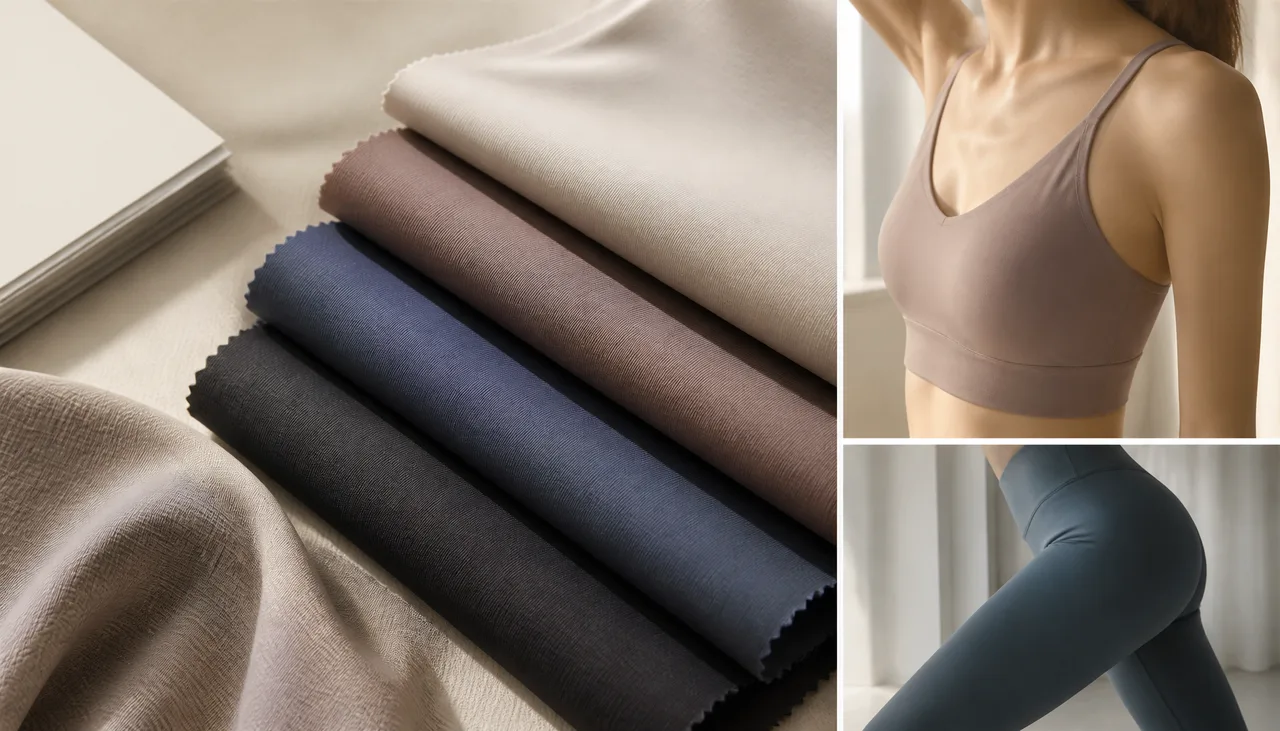
Key properties include stretchability, hand feel (softness and texture), durability, finishing quality, and color fastness.
- **Ask:** How does the fabric perform in terms of stretch, hand feel, durability, and finishing?
- **Reason:** These factors affect wearer comfort, garment longevity, and overall quality perception.
—
4. What Is the Fabric GSM and How Does It Affect the Product?
GSM indicates fabric weight and thickness, impacting garment opacity, warmth, and support.
- **Ask:** What GSM options are available, and which GSM suits the intended apparel best?
- **Reason:** For example, yoga leggings might require a different GSM than lingerie due to different support and coverage needs.
—
5. What Are the Supplier’s Minimum Order Quantities (MOQs) and Sample Policies?
Production volume and stable demand are important for suppliers to commit to fabric supply.
- **Ask:** What is the MOQ per color or style, and what are the terms for sample requests?
- **Reason:** Typical MOQ references might be around 150 kg (approximately 600 meters) per color, which guides production planning.
—
6. How Does the Supplier Support Fabric Matching and Development?
A fabric solution provider goes beyond just supplying existing fabrics; they help match or develop fabrics suited to buyer needs.
- **Ask:** Can the supplier analyze application needs and recommend or develop fabric solutions accordingly?
- **Reason:** Collaborative fabric development can optimize product performance and reduce time-to-market.
—
7. What Are the Supplier’s Capabilities for Quality Control and Stable Supply?
Reliable quality control and ongoing supply stability are crucial for production continuity.
- **Ask:** What quality control processes are in place, and how does the supplier ensure consistent fabric supply?
- **Reason:** Ensures that the fabric sample quality matches bulk production and reduces risk of supply disruptions.
—
8. Does the Supplier Provide After-Sales Service?
Support post-sale can include assistance with fabric issues, reorders, or additional development.
- **Ask:** What after-sales services are offered to address potential fabric-related concerns?
- **Reason:** Long-term partnership and support are valuable for managing production challenges.
—
Summary
Before requesting fabric samples, apparel brands should clearly communicate their application requirements, desired fabric type and properties, production volume, and expectations for supplier collaboration. Asking these focused questions helps ensure that the fabric samples provided will be relevant, high-quality, and aligned with the brand’s product development goals. This approach facilitates efficient fabric selection, reduces costly errors, and supports stable production for stretch apparel categories such as lingerie, sportswear, and yoga wear.
—
*This guidance is based on best practices from B2B fabric solution providers specializing in knitted synthetic fabrics for stretch apparel, emphasizing a fabric-solution approach tailored to real production needs and professional sourcing teams.*