
Yoga leggings are a popular choice for activewear due to their stretch, comfort, and fit. However, many wearers notice that leggings can become see-through during movements like squats. Understanding why this happens involves looking at the fabric properties, construction, and how stretching affects material transparency.
—
1. Fabric Composition and Stretch Behavior
Yoga leggings are typically made from stretch knitted synthetic fabrics, mainly polyester-spandex or nylon-spandex blends. These blends provide elasticity, durability, and a smooth hand feel suitable for activewear such as yoga wear, sports bras, and shapewear.
- **Polyester-Spandex and Nylon-Spandex Fabrics:** Both are common in yoga leggings due to their stretch and recovery capabilities. The spandex component gives the fabric elasticity, while polyester or nylon adds strength and moisture management.
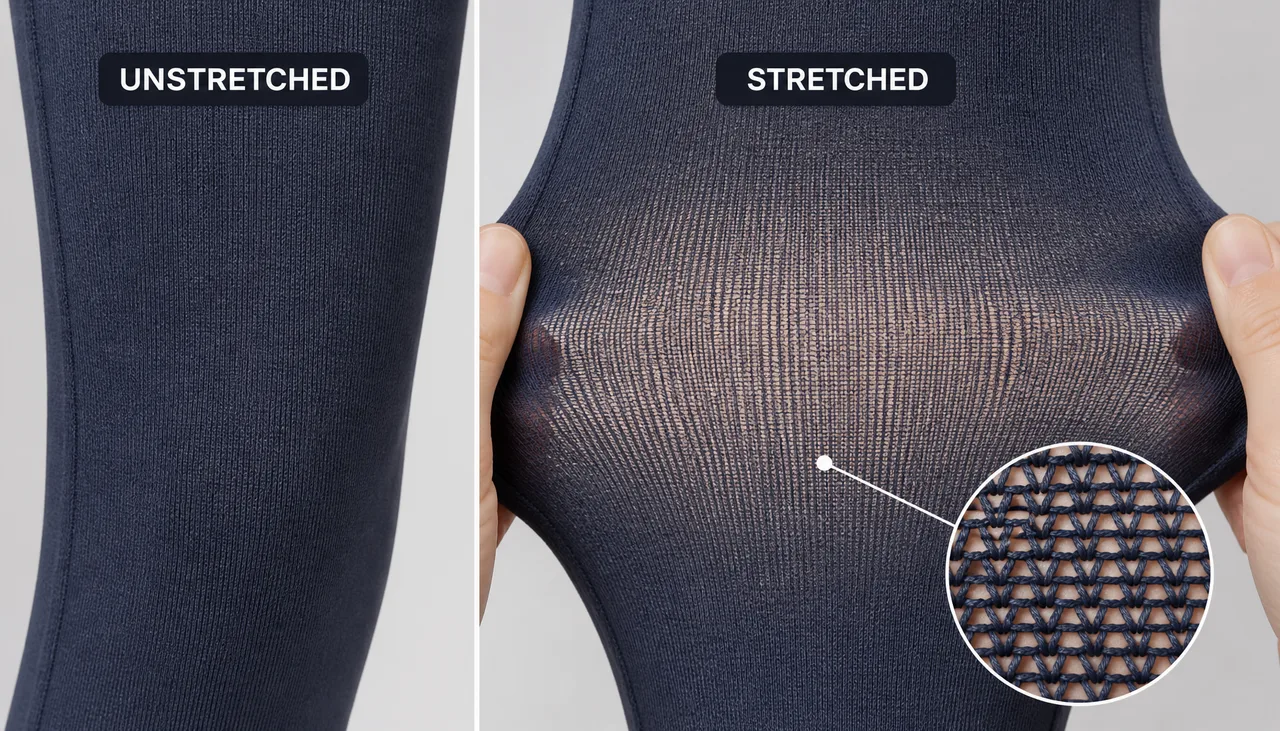
- **Stretch Knitted Fabric:** The knitted structure allows the fabric to stretch in multiple directions to accommodate body movement. However, when stretched extensively, the knitted loops can open up, reducing the fabric's opacity.
—
2. Effect of Stretching on Fabric Opacity
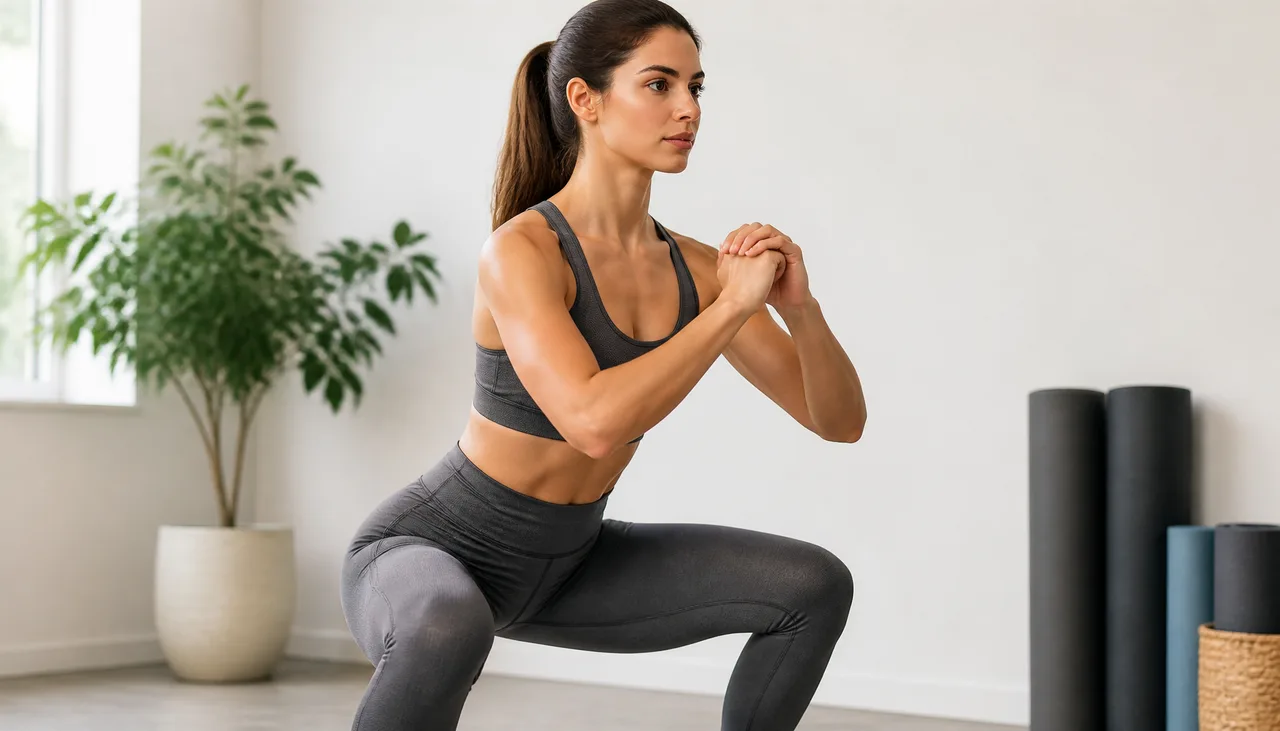
When you squat, your leggings stretch significantly around the thighs, hips, and buttocks. This stretching can cause:
- **Thinning of the Fabric:** As the fabric stretches, the yarns or fibers spread apart, making the material thinner and less dense.
- **Increased Light Transmission:** The open structure allows more light to pass through, making the fabric appear translucent or see-through.
- **Change in Fabric GSM (Grams per Square Meter):** Fabrics with lower GSM are inherently thinner and more prone to becoming see-through when stretched. Higher GSM fabrics maintain opacity better due to their greater weight and density.
—
3. Fabric Quality and Construction Impact
Not all fabrics behave the same under stretch. Factors affecting see-through issues include:
- **Yarn Thickness and Density:** Thicker yarns and tighter knitting result in fabrics that maintain opacity even under stretch.
- **Fabric Finishing:** Some finishing processes can enhance fabric opacity and durability.
- **Fabric Type Selection:** Choosing the right fabric blend and GSM is crucial for the intended application. Apparel buyers and product developers must consider these factors to ensure the fabric suits movements typical in yoga and sportswear.
—
4. Practical Considerations for Buyers and Developers
When selecting fabric for yoga leggings, it is important to:
- **Match Fabric to Application:** Consider how much stretch and coverage are needed based on the activity.
- **Test Fabric Under Real Conditions:** Sampling and testing fabric performance during squatting or stretching can reveal potential see-through issues.
- **Communicate Needs to Fabric Suppliers:** Professional sourcing teams should specify application, hand feel, function, and GSM requirements to fabric suppliers to get the best fabric solution.
—
Summary
Yoga leggings become see-through during squats primarily because the stretch knitted fabric thins and opens up when stretched, allowing more light to pass through. The degree of transparency depends on fabric composition, yarn density, GSM, and finishing. Proper fabric selection and testing aligned with the garment’s intended activities can minimize see-through problems, ensuring both comfort and confidence for the wearer.
—
*This explanation is based on fabric knowledge related to stretch knitted synthetic fabrics used in yoga wear and activewear applications, including polyester-spandex and nylon-spandex blends.*