
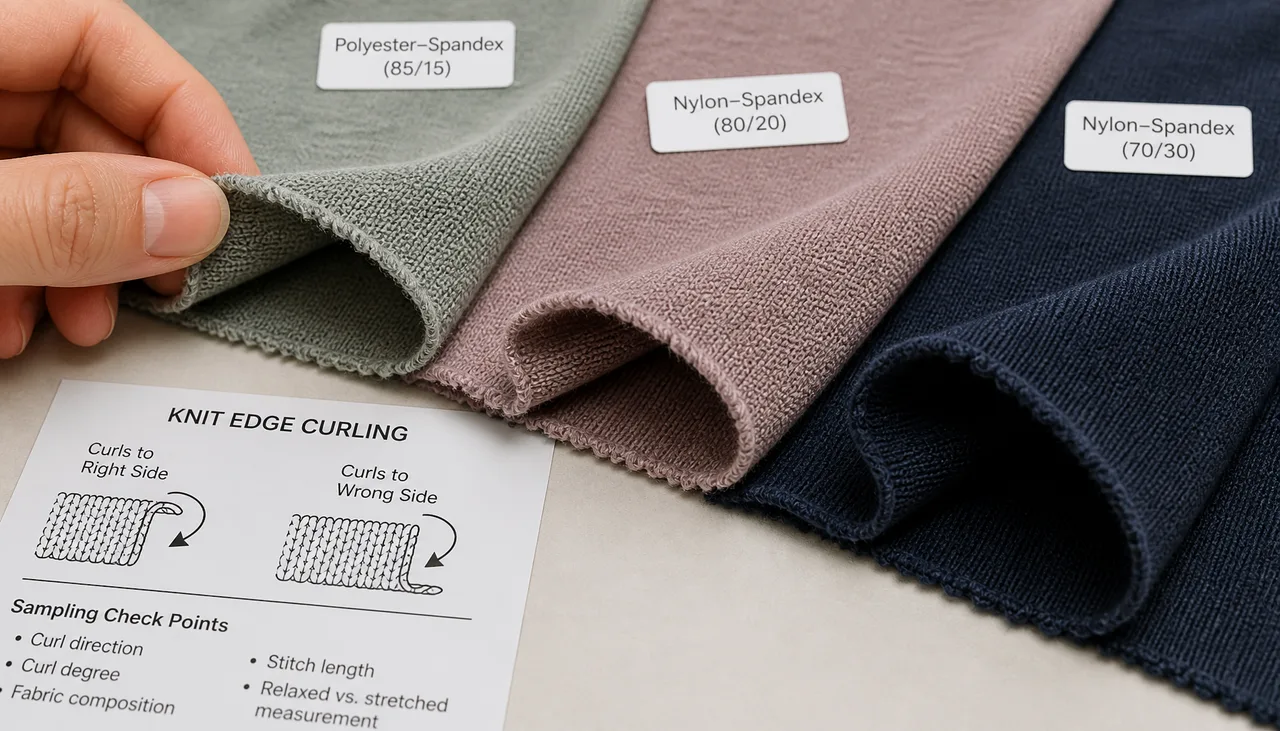
Raw knit edges often curl due to the inherent structure and tension of knitted fabrics. Unlike woven fabrics, knitted fabrics are made by interlooping yarns, which creates natural stretch and flexibility but also leads to edge instability. When a knitted fabric is cut without finishing, the loops at the edge are free to recoil, causing the fabric edge to curl inward or outward. This curling is a common characteristic of stretch knitted fabrics such as polyester-spandex or nylon-spandex blends used for lingerie, sportswear, and yoga apparel.
Mechanism Behind Curling of Raw Knit Edges
The curling results from the imbalance of tension in the loops of the knit. The loops on the fabric surface tend to pull unevenly because the knit structure is not anchored at the edge. The direction and degree of curl depend on the knit pattern, fiber composition, and yarn tension during knitting. For example, some knitted fabrics with higher spandex content or tighter knit can show more pronounced curling.
What Buyers Should Check During Sampling
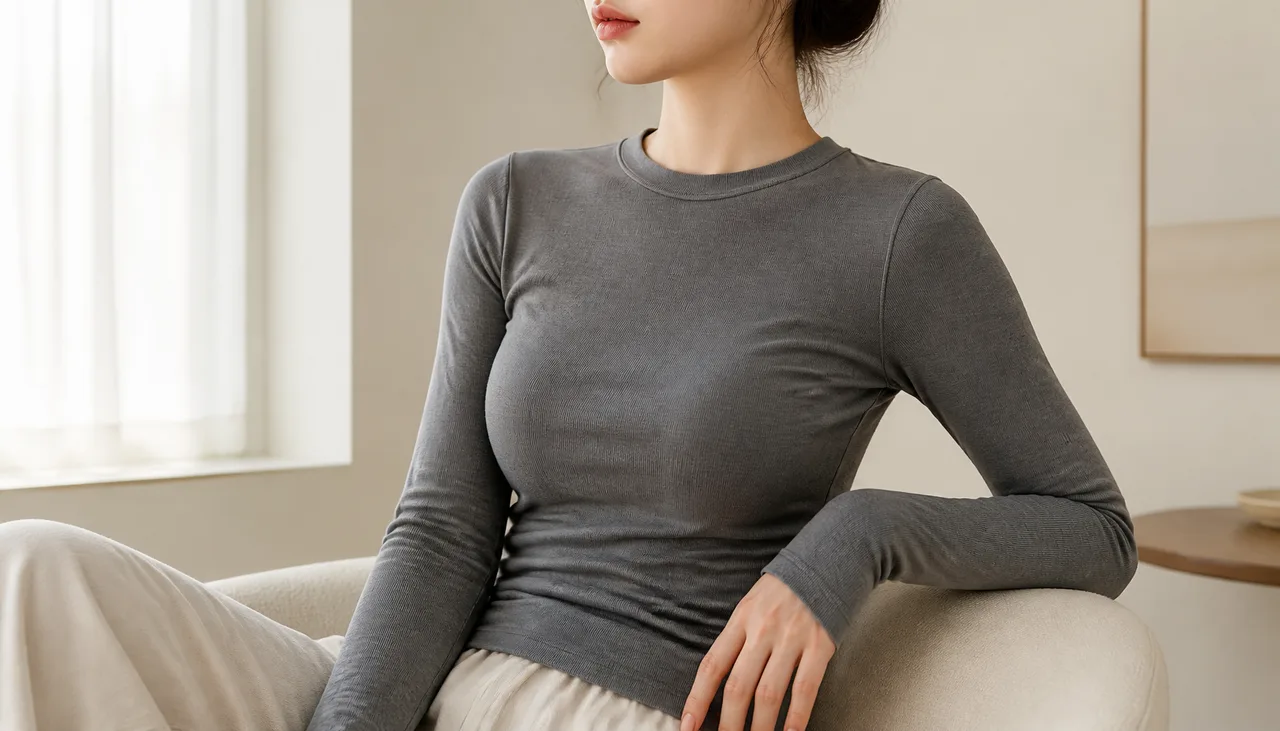
When sourcing stretch knitted fabrics for applications like lingerie, sports bras, or yoga wear, buyers should carefully evaluate raw knit edges during the first article sampling phase. This phase is critical in confirming fabric suitability and identifying any finishing needs.
Key points for buyers to check include:
1. Curl Behavior at Raw Edges: Observe the direction, degree, and consistency of curling on cut edges. Excessive curling might indicate the need for edge finishing techniques or a different fabric construction.
2. Hand Feel and Stretch: Assess how the curling affects the feel and stretch of the fabric. Curling edges can influence garment fit and aesthetics if not properly managed.
3. Fabric Composition and GSM: Verify the fiber blend (e.g., polyester-spandex vs nylon-spandex) and fabric weight (grams per square meter) since these factors impact curling tendency and overall fabric performance.
4. Application Suitability: Confirm that the fabric matches the end-use requirements, such as comfort, stretch recovery, and durability for lingerie or activewear.
5. Finishing and Quality Control Needs: Determine if the fabric requires finishing processes like heat-setting, edge binding, or other treatments to stabilize edges and meet quality standards.
6. Supplier Support: Engage with fabric suppliers who provide a fabric solution workflow including knitting, dyeing, printing, finishing, and quality control to ensure a stable supply and after-sales service.
By closely examining raw knit edge curling and other fabric characteristics during sampling, buyers can make informed choices that align fabric selection with functional and aesthetic goals for stretch apparel products.
—
This explanation helps B2B apparel buyers understand why raw knit edges curl and highlights important considerations when sampling stretch knitted fabrics, supporting better sourcing decisions for lingerie, sportswear, and yoga wear applications.